Fake nostalgia 2023 - ongoing

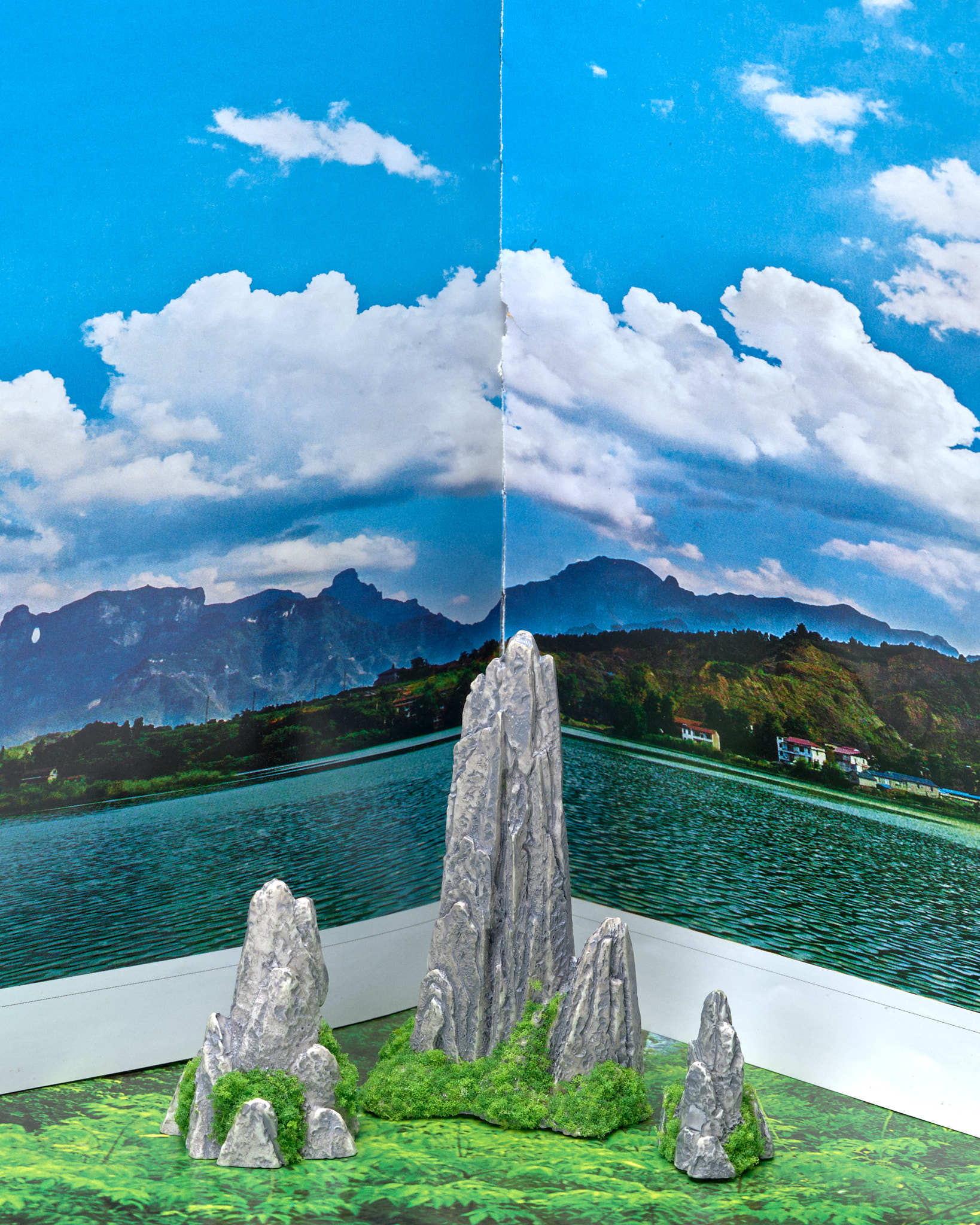
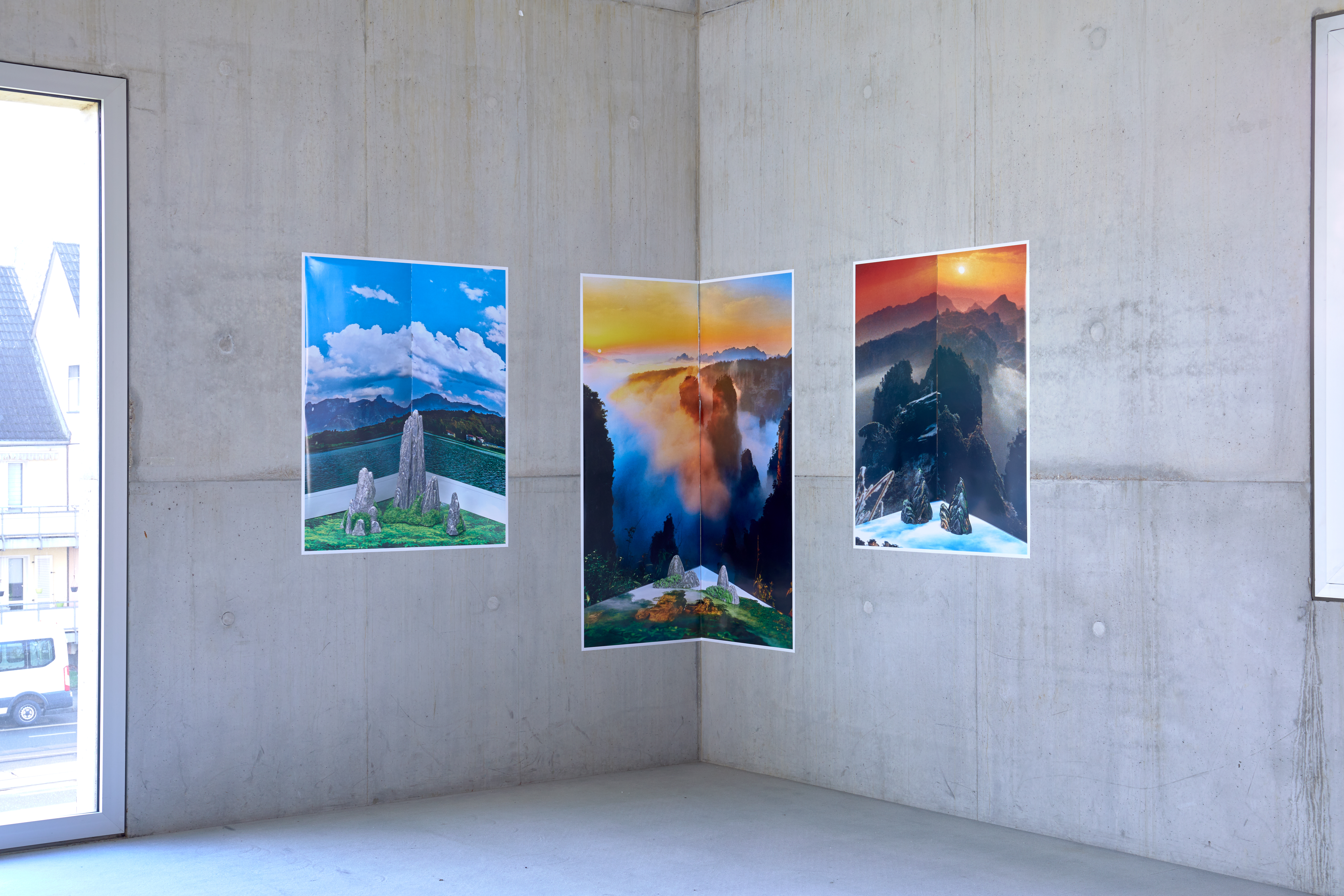
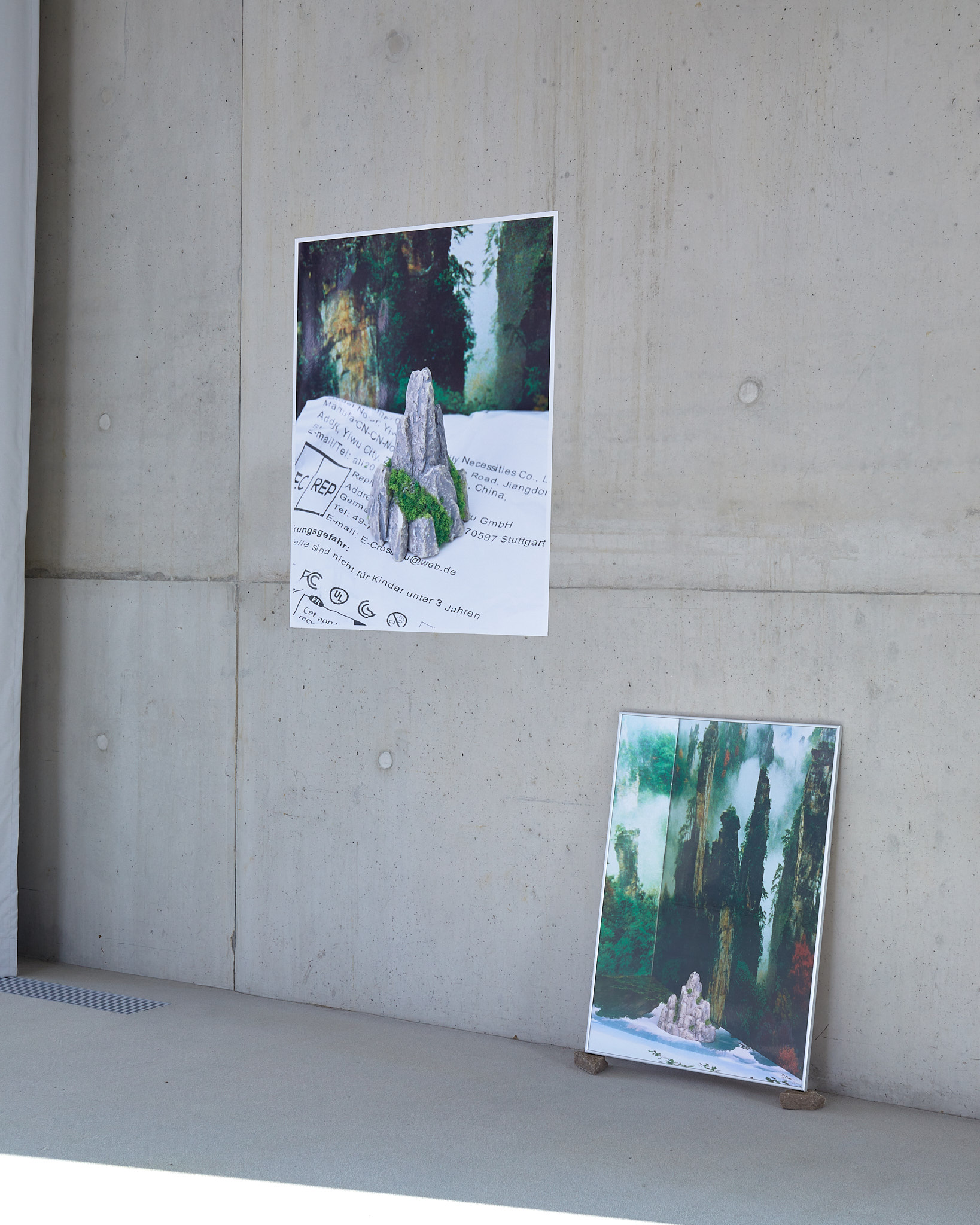
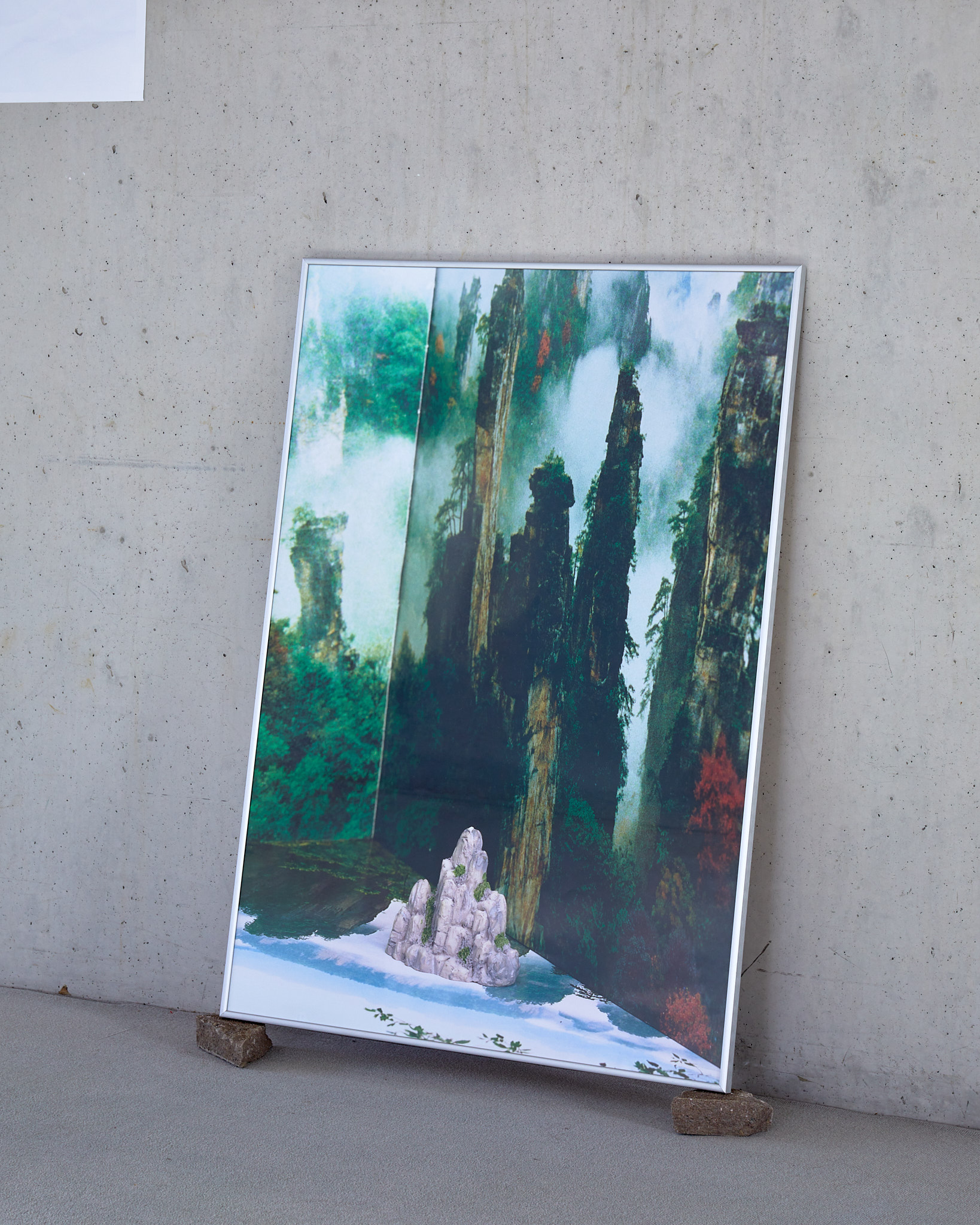
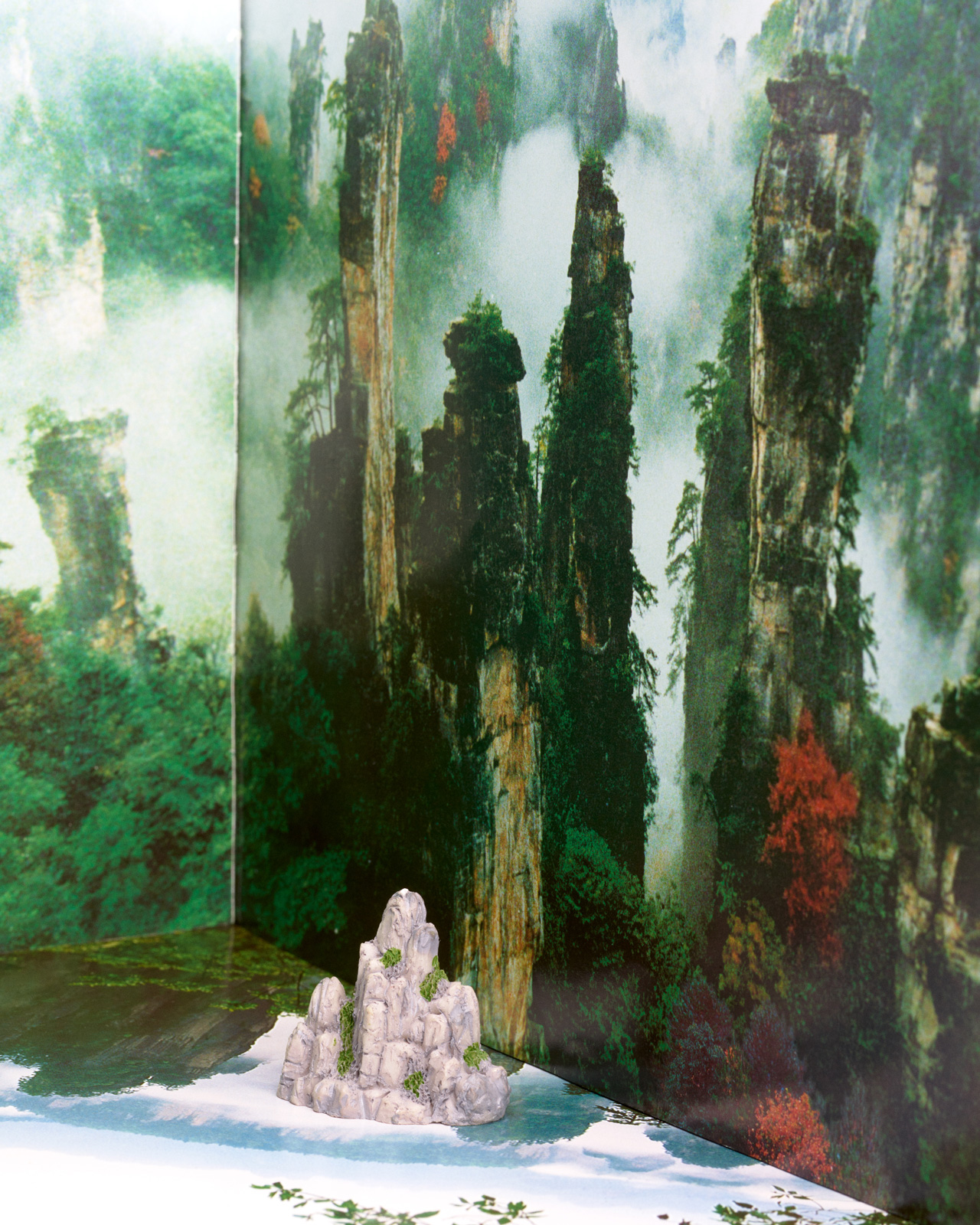
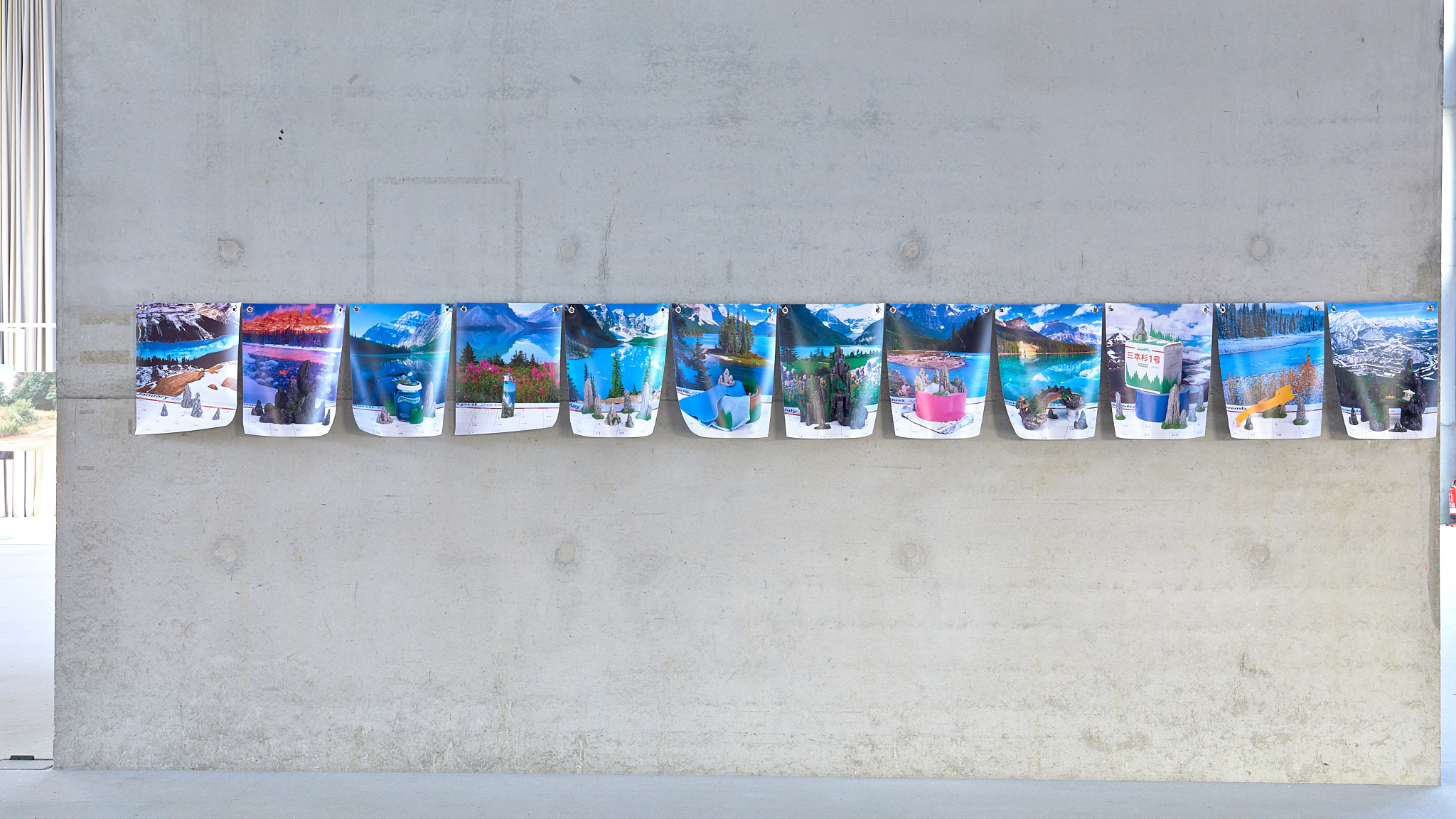
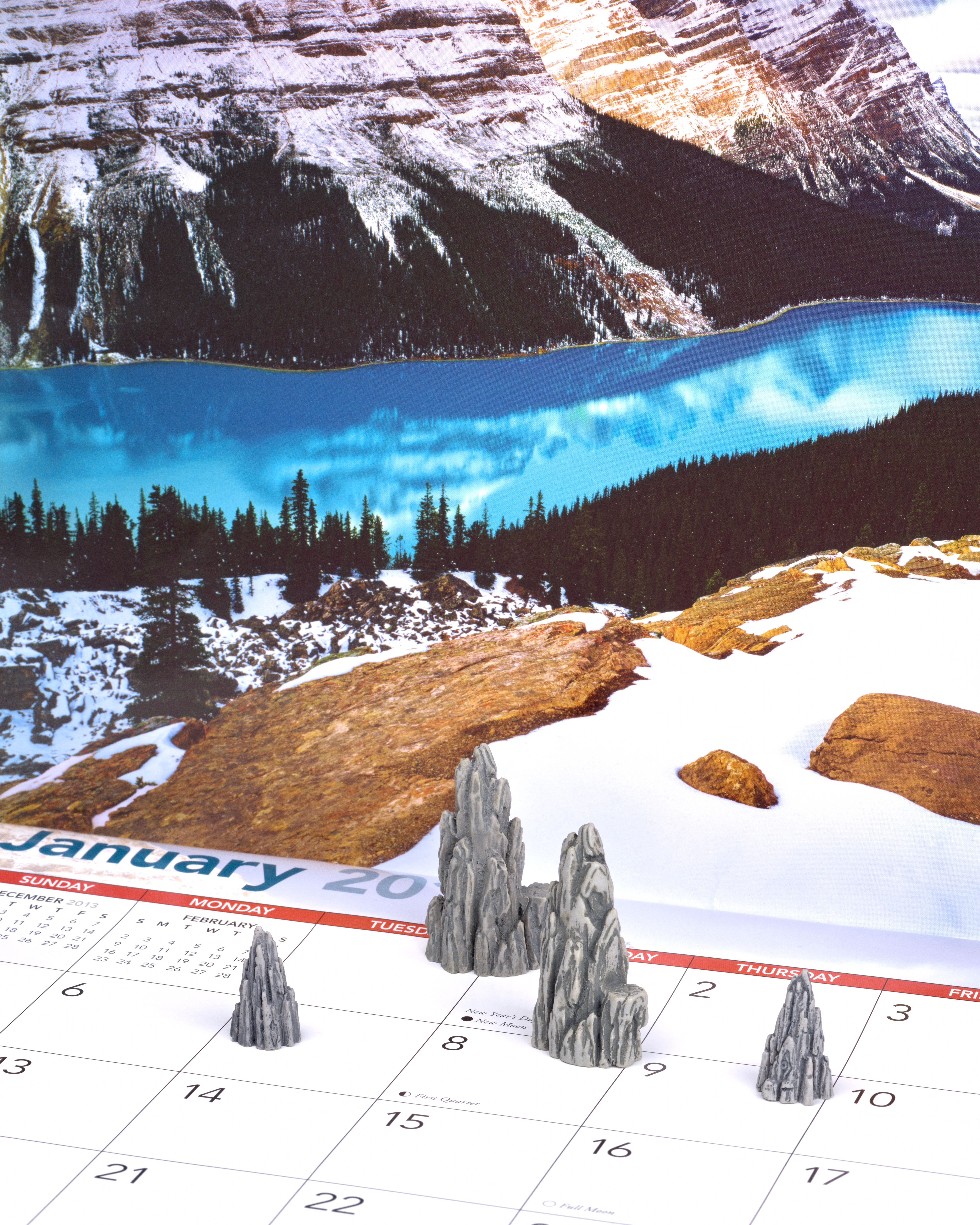
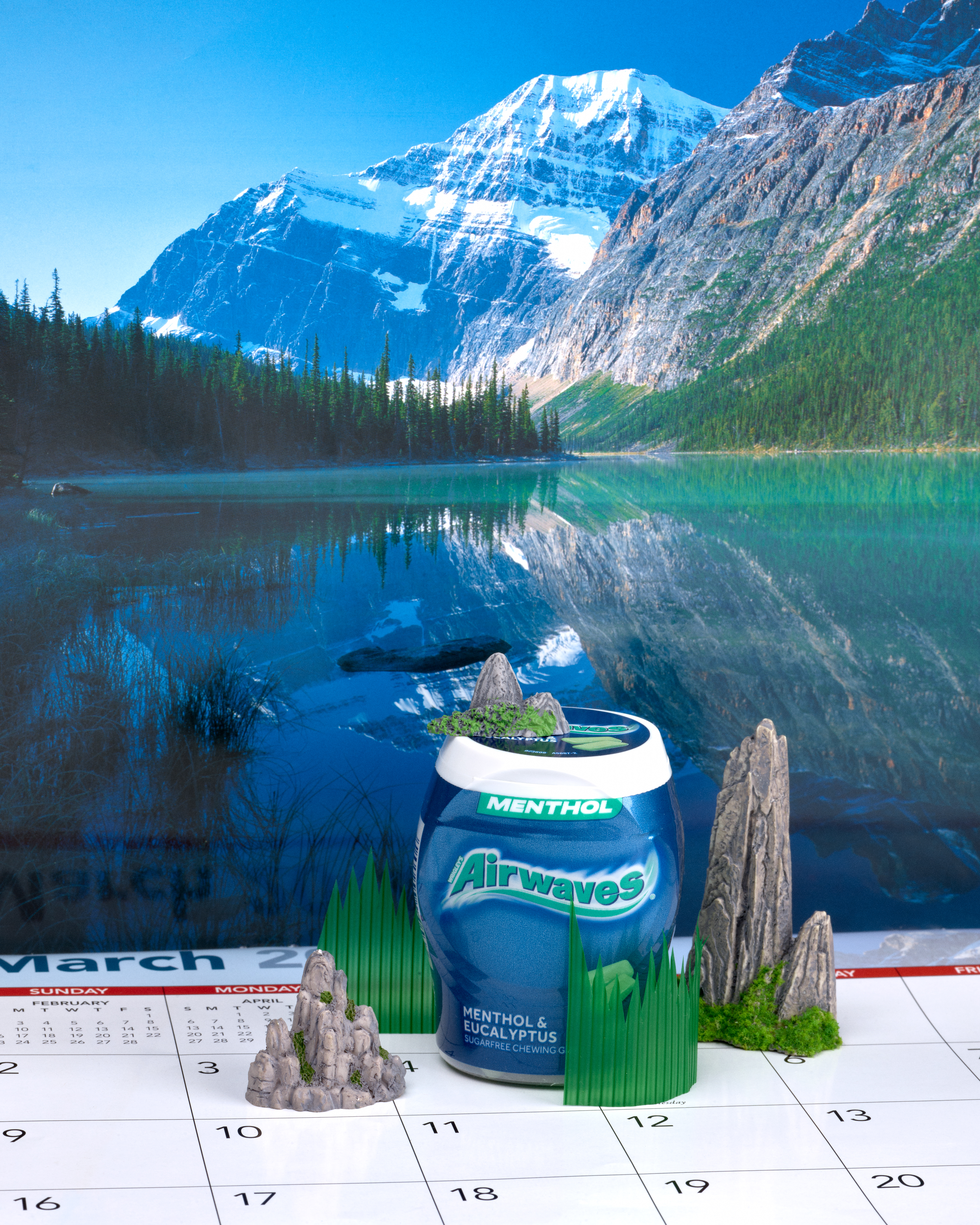
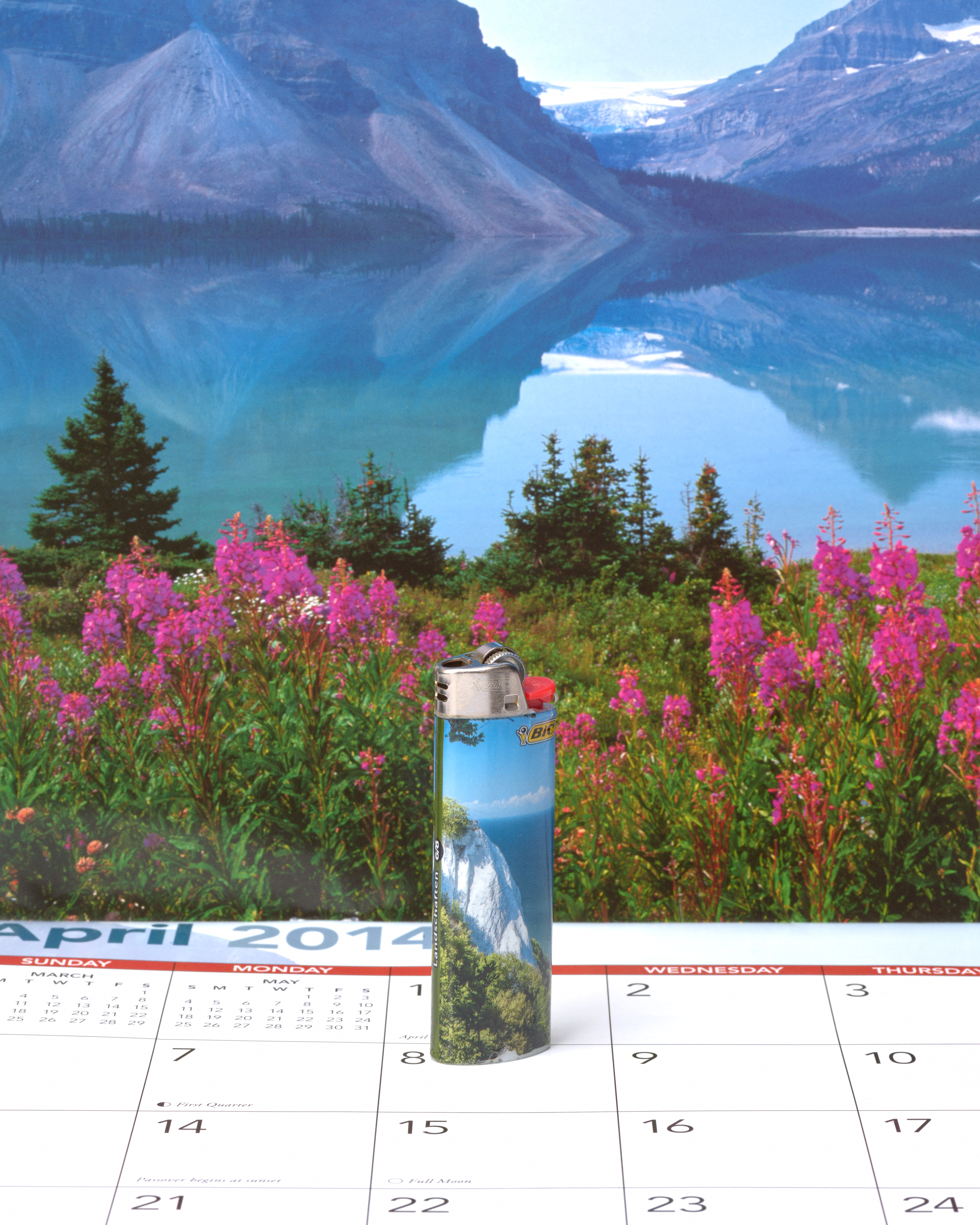
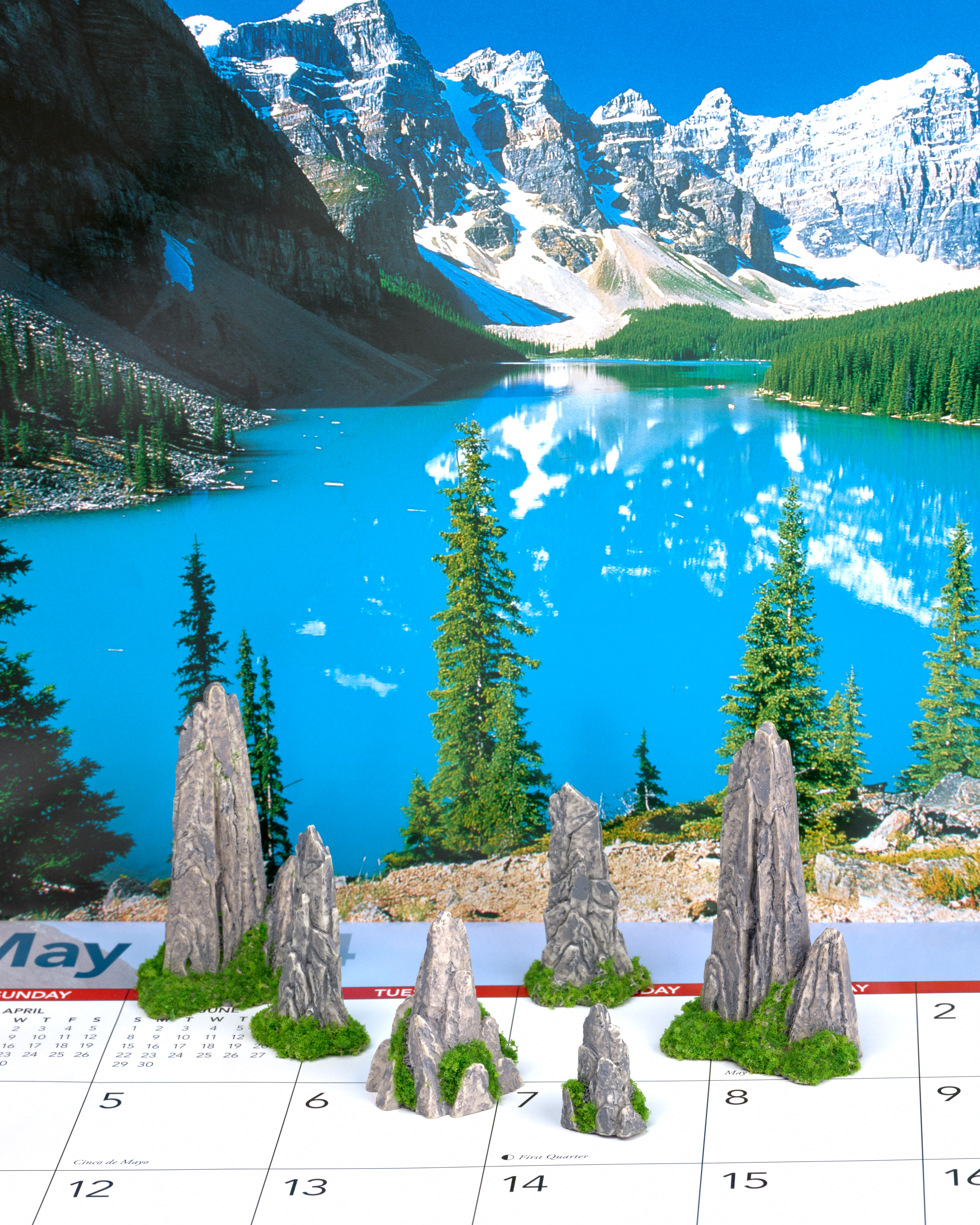
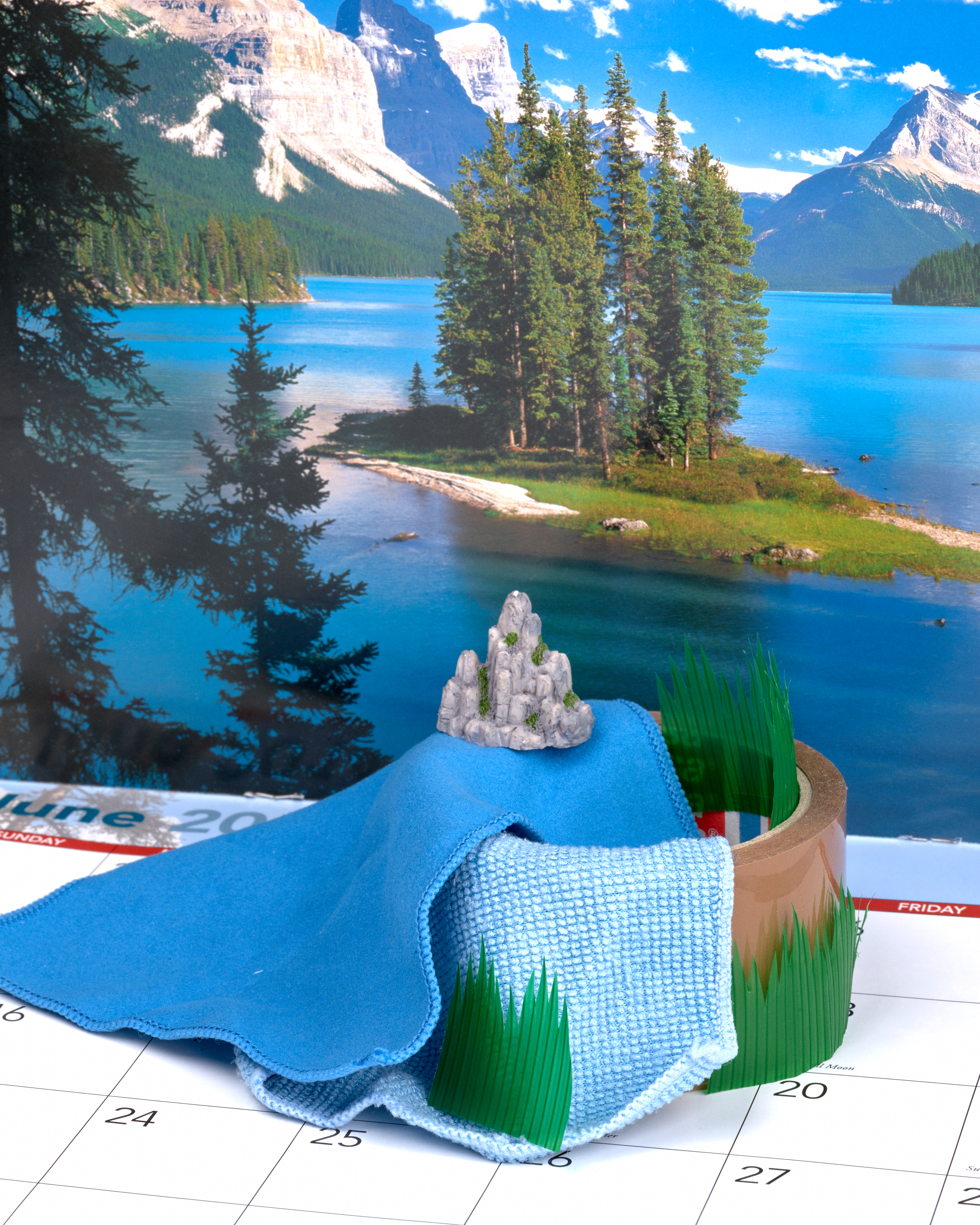
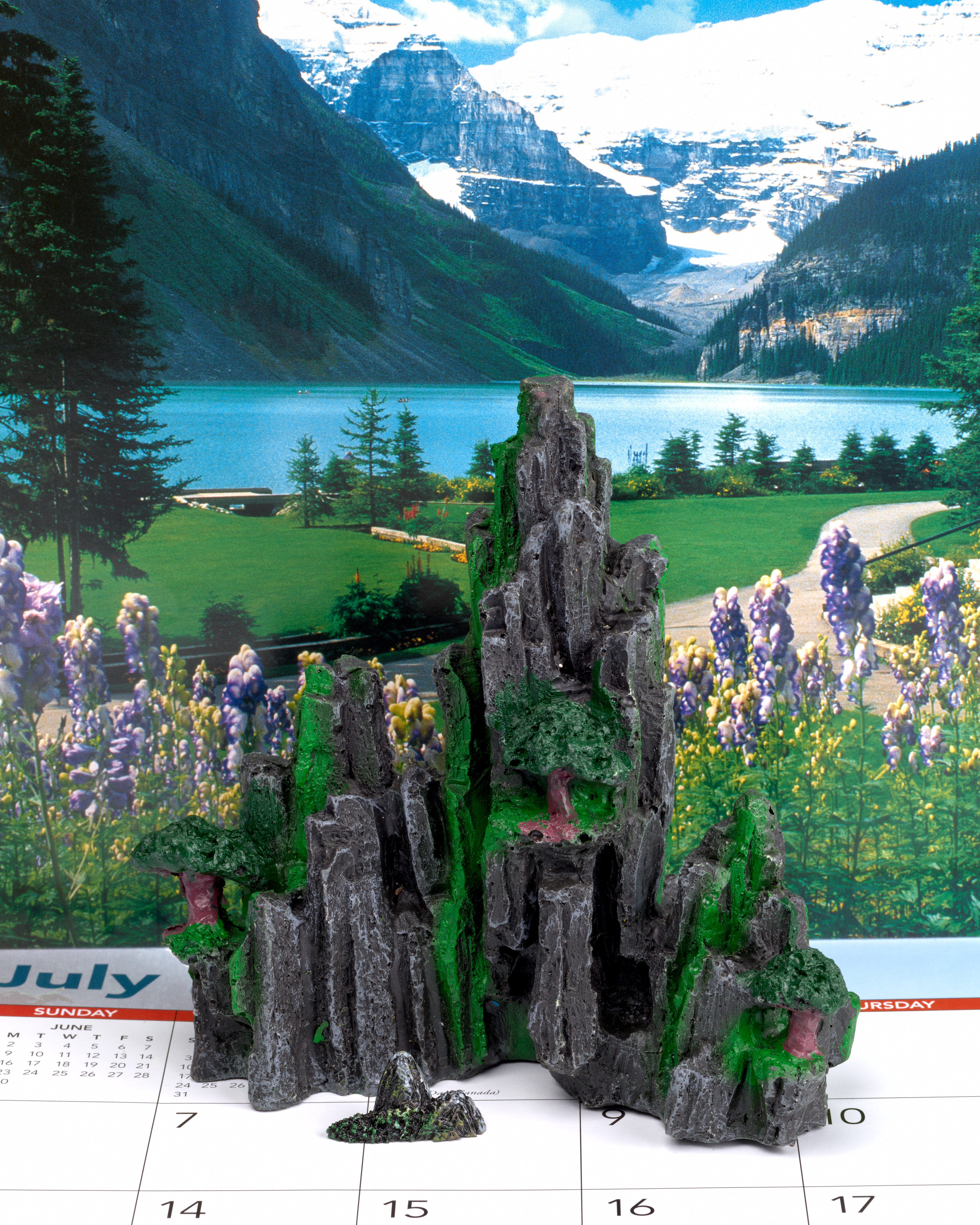
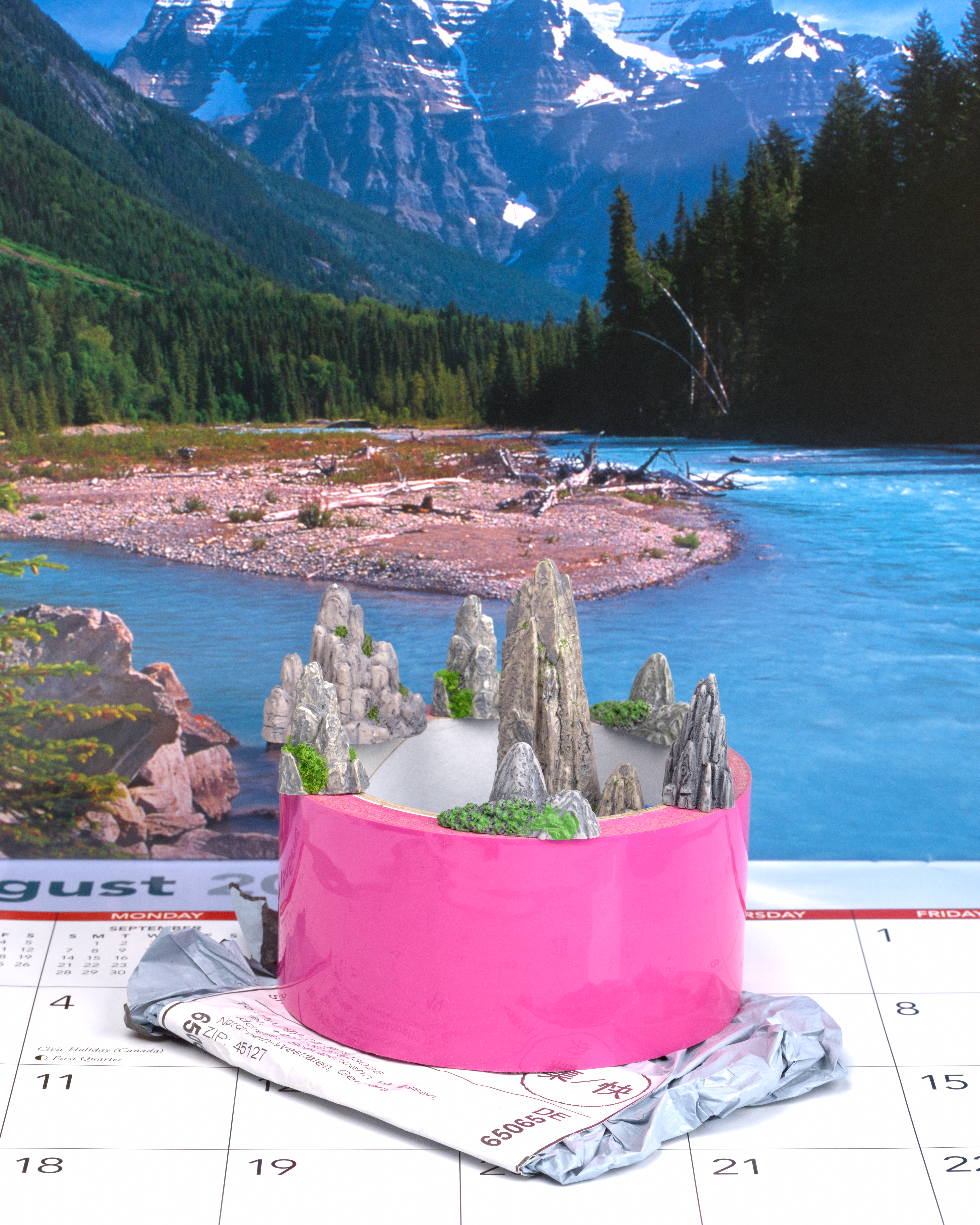
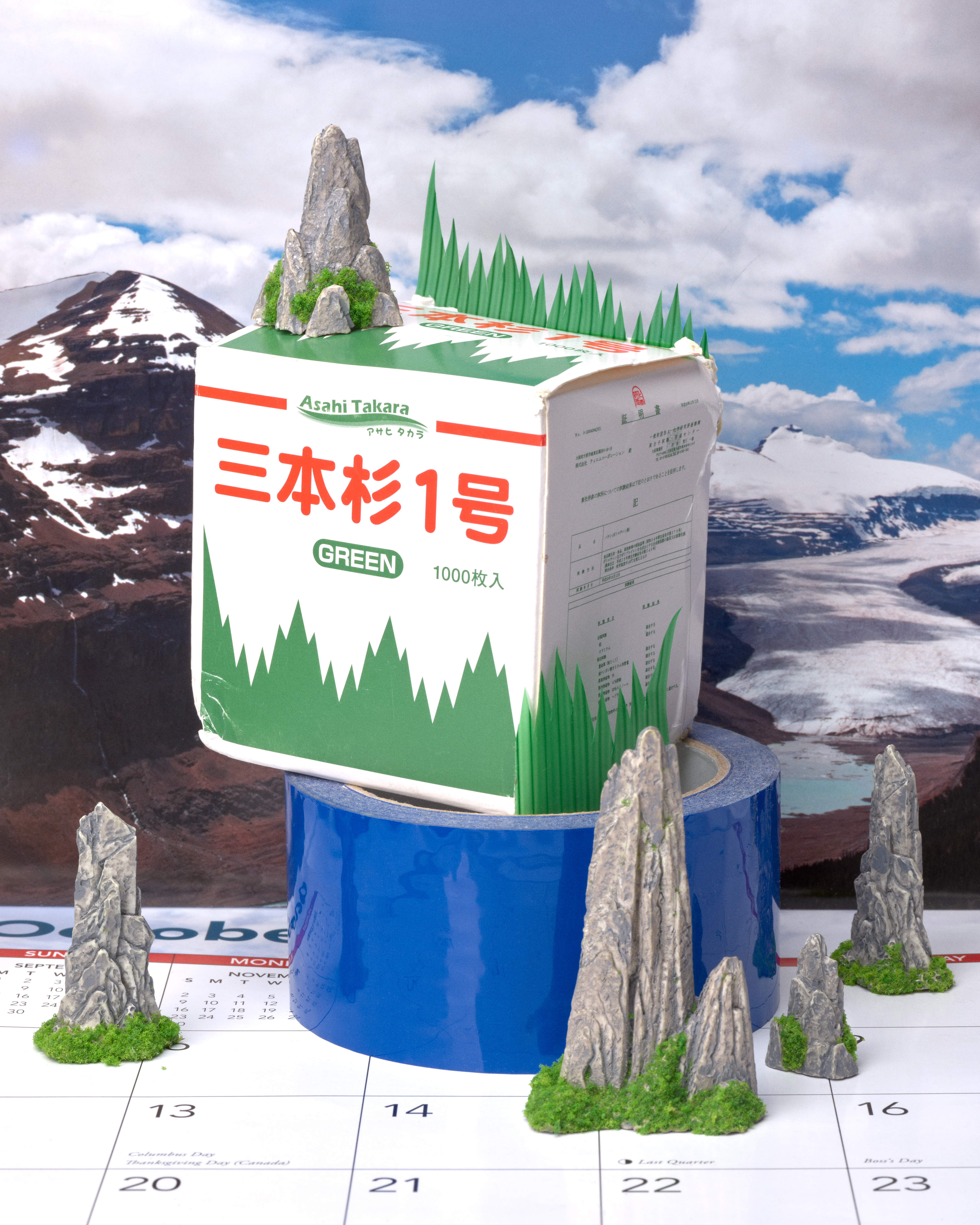
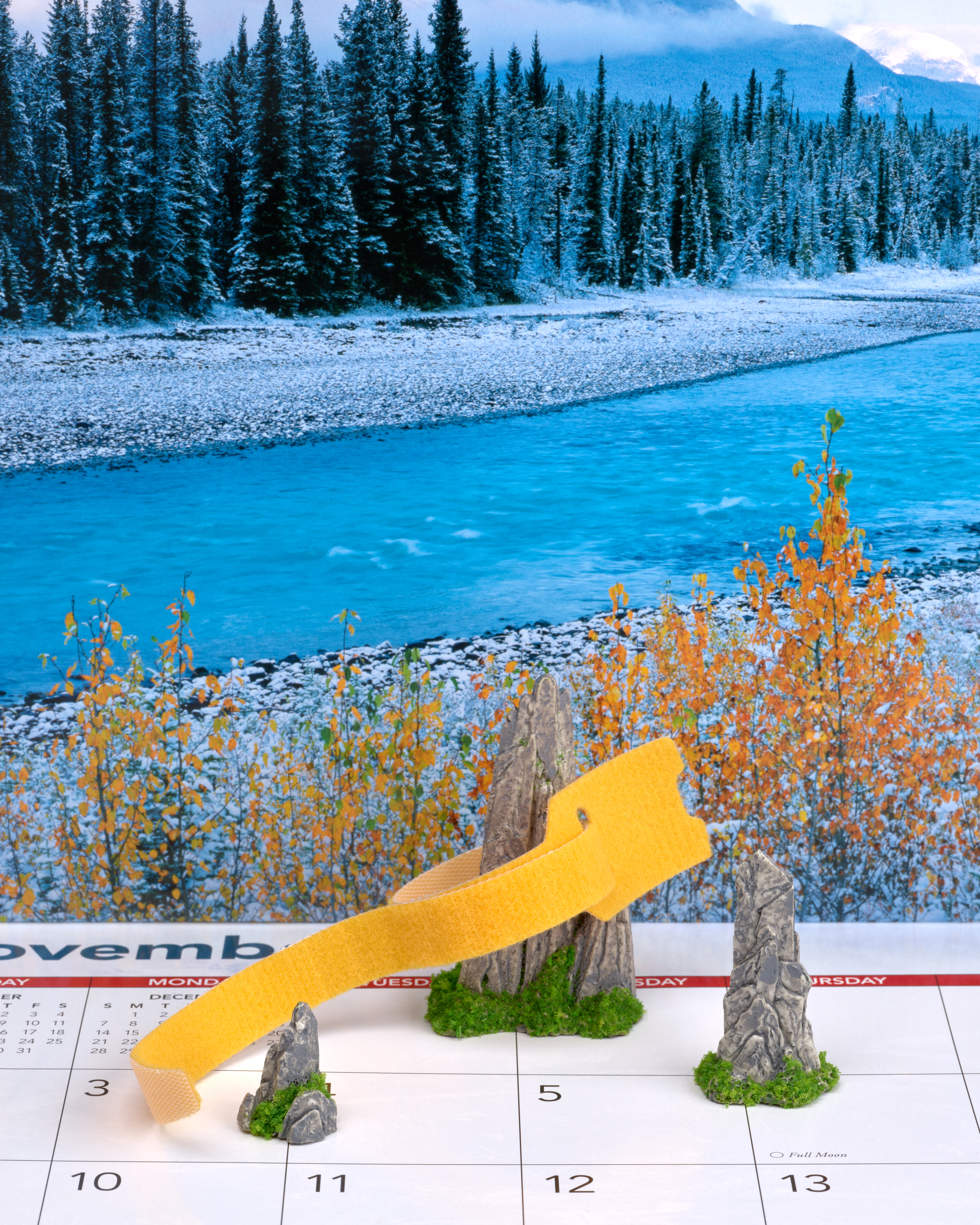
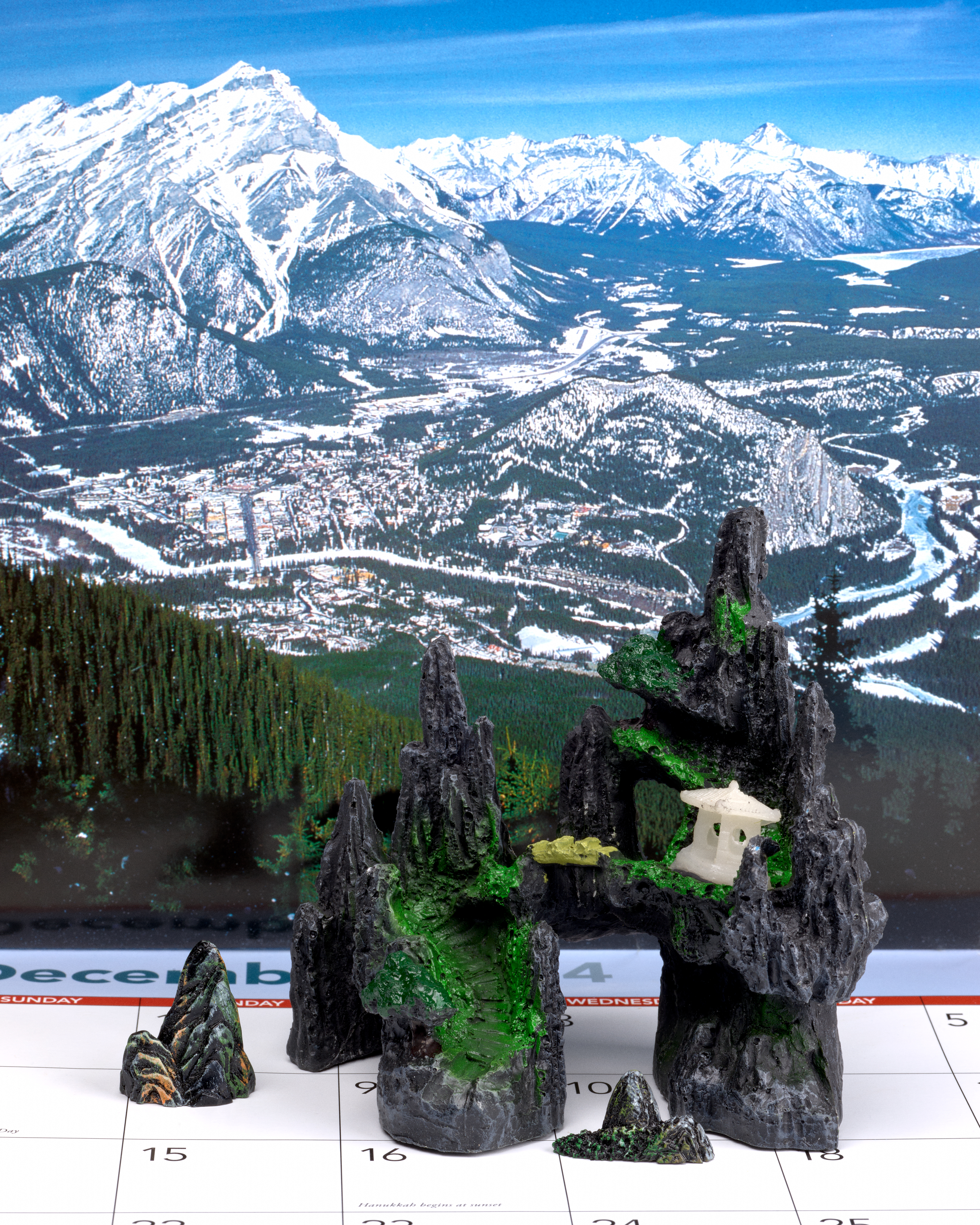
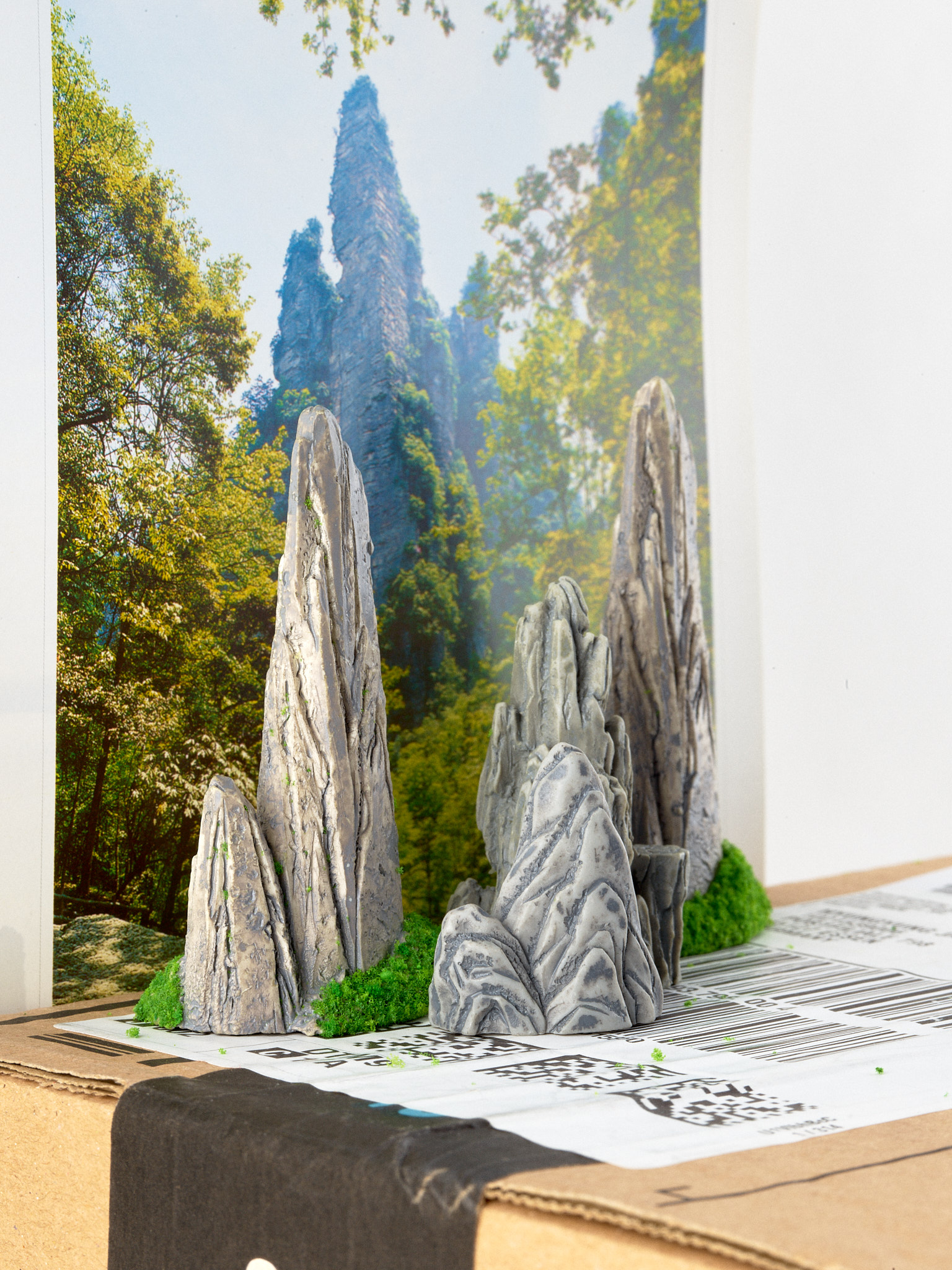
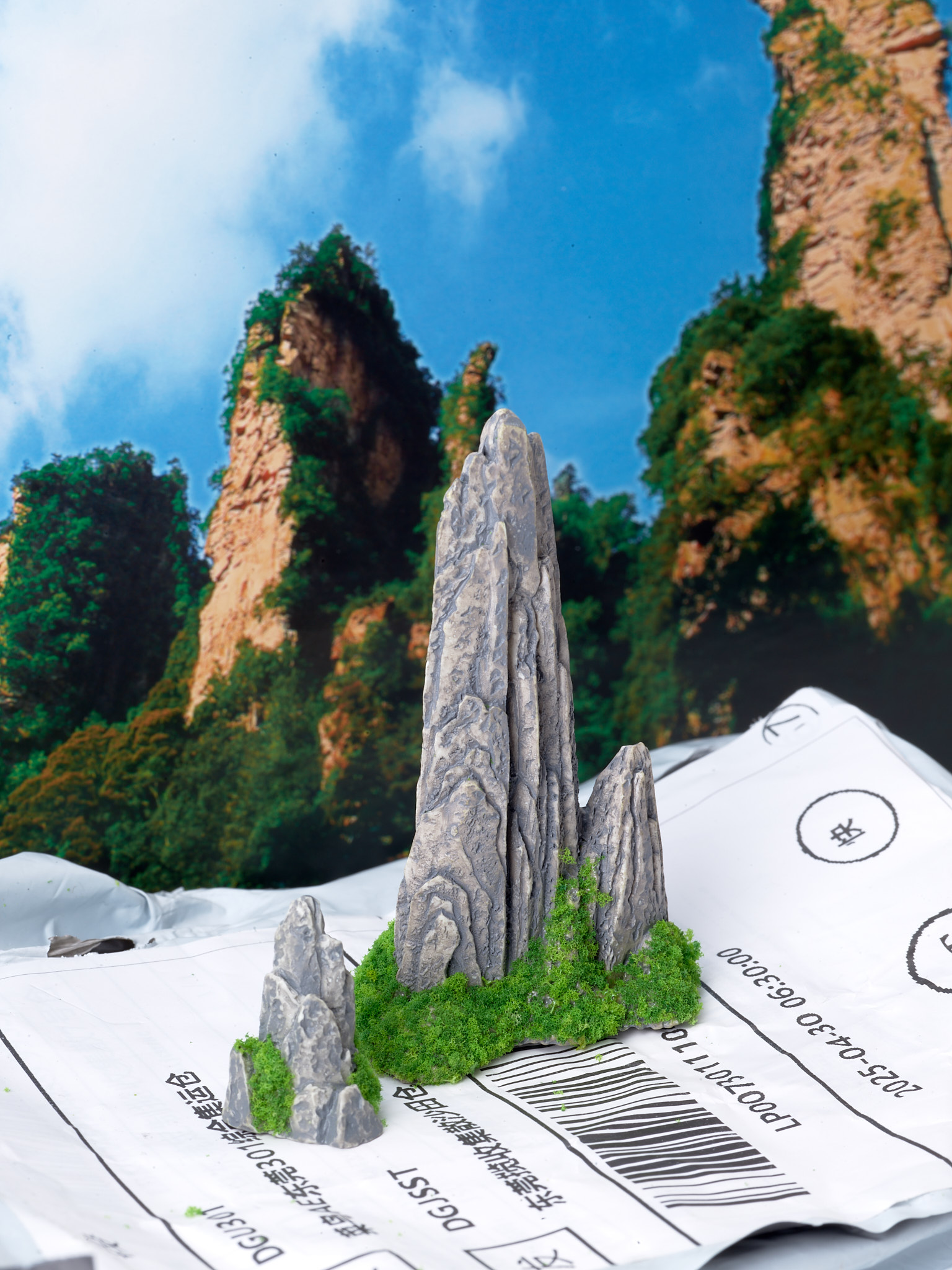
Fake Nostalgia is a visual investigation into the "packaged nature" of contemporary society, explored through the logistical reconstruction of my personal memories. While my memories of Korea serve as the psychological starting point, I re-enact them by physically assembling standardized components—commercial catalogues, industrial miniatures, and mass-produced calendars—in a studio environment. The grid of the calendar functions as a standardized stage, where personal recollection is reorganized within the measured intervals of social time. This staged process is an active intervention within my experience as a foreigner in Germany, where the 'now' is a suspended 'in-between' state—caught between manufactured familiarity and displacement.
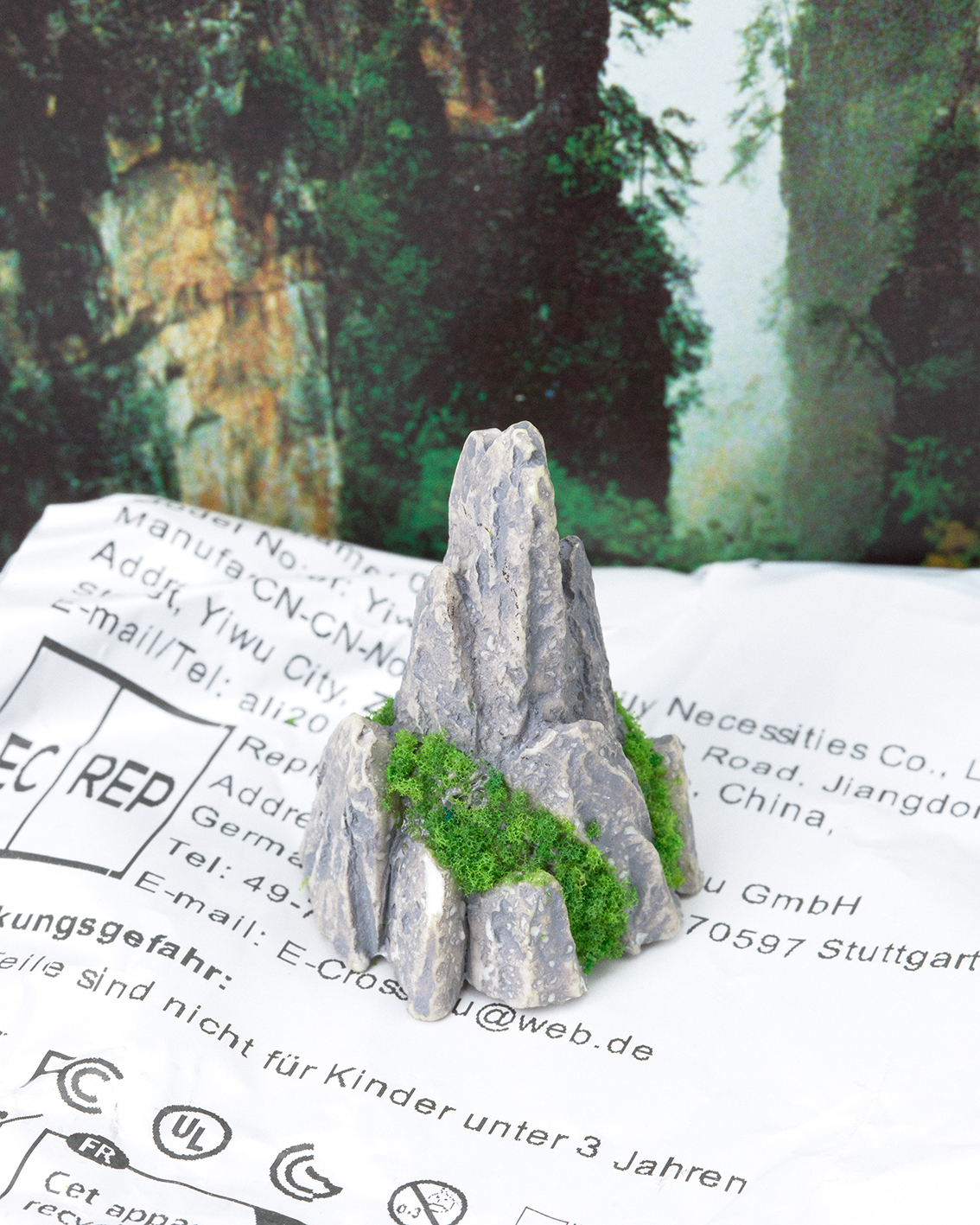
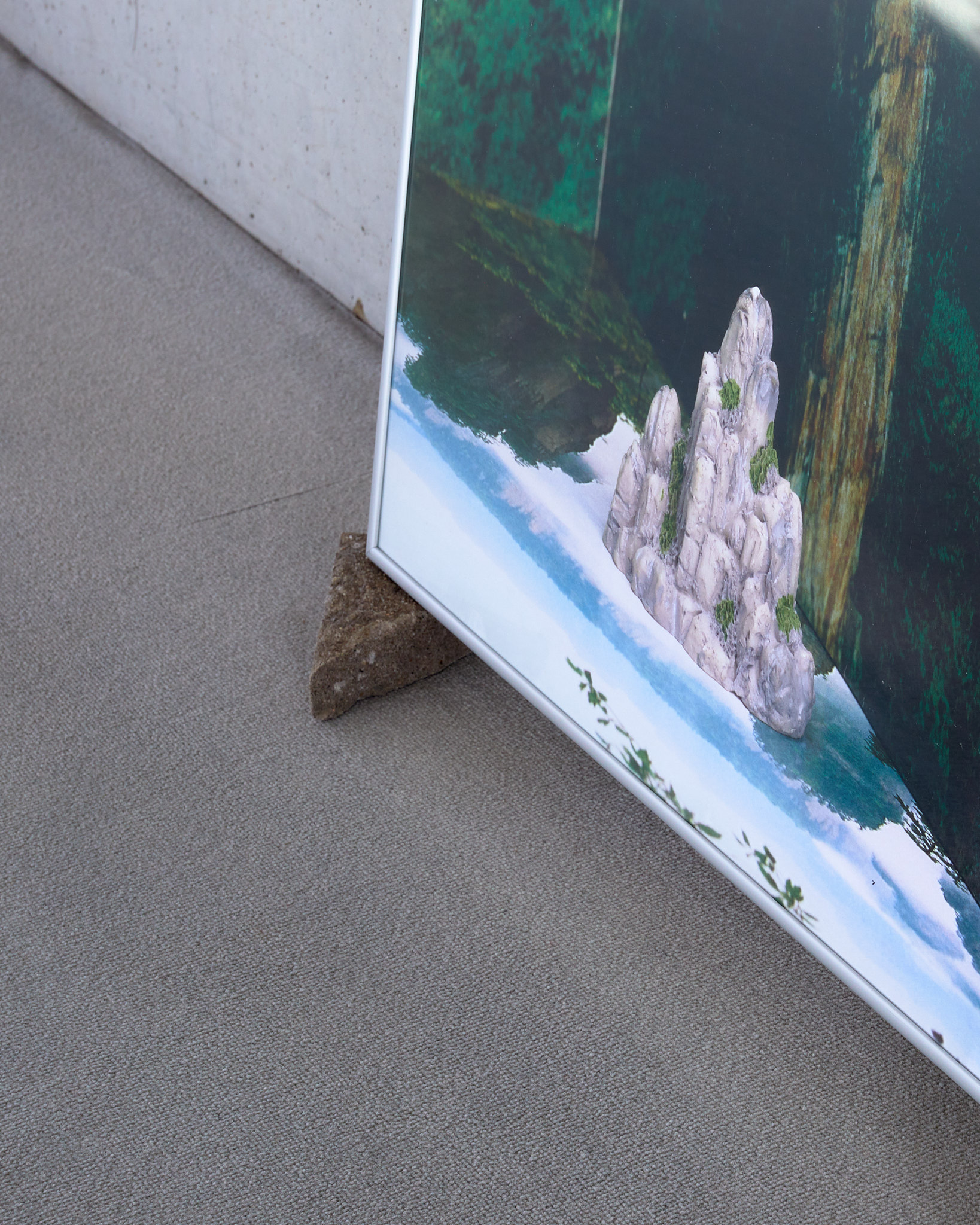
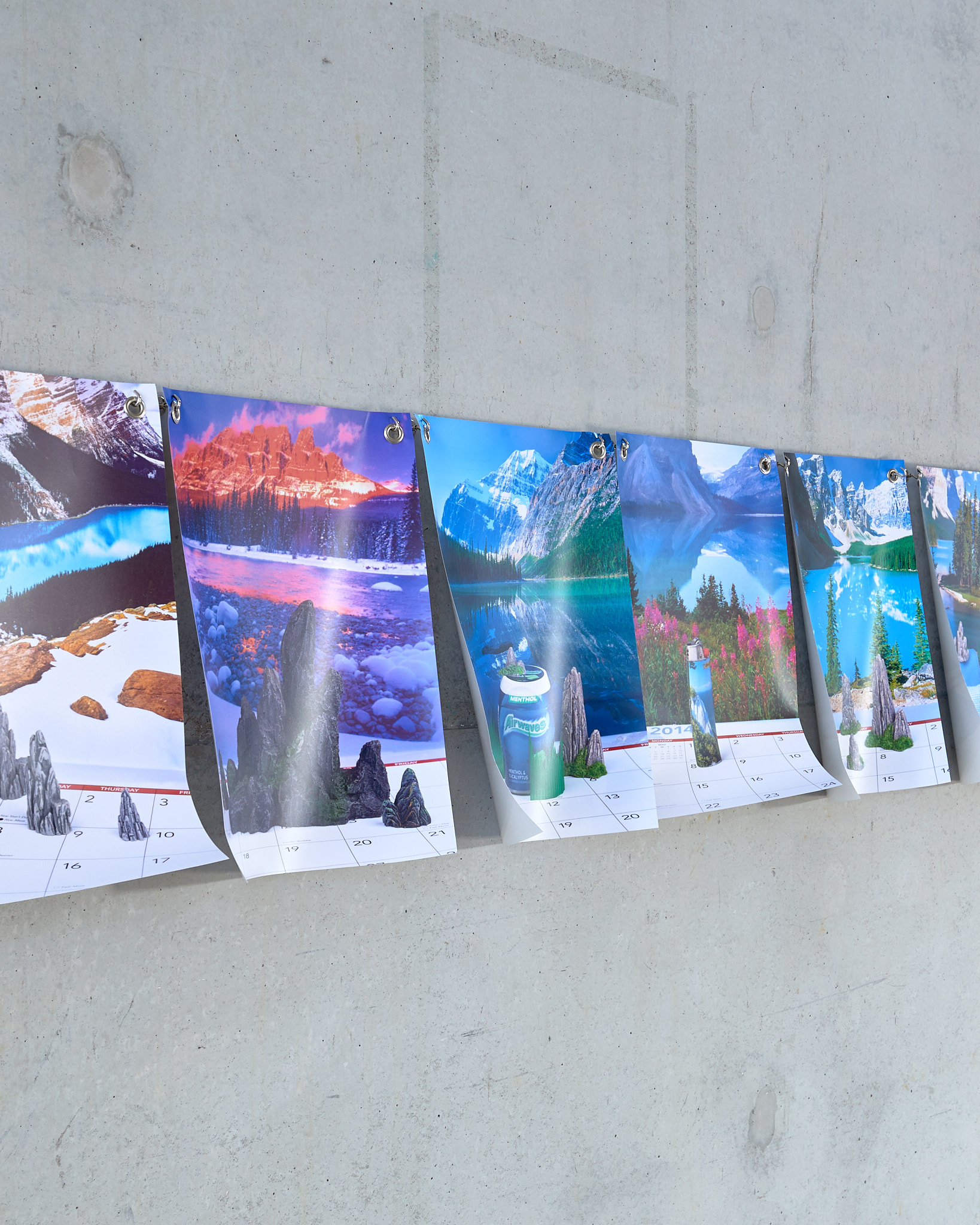
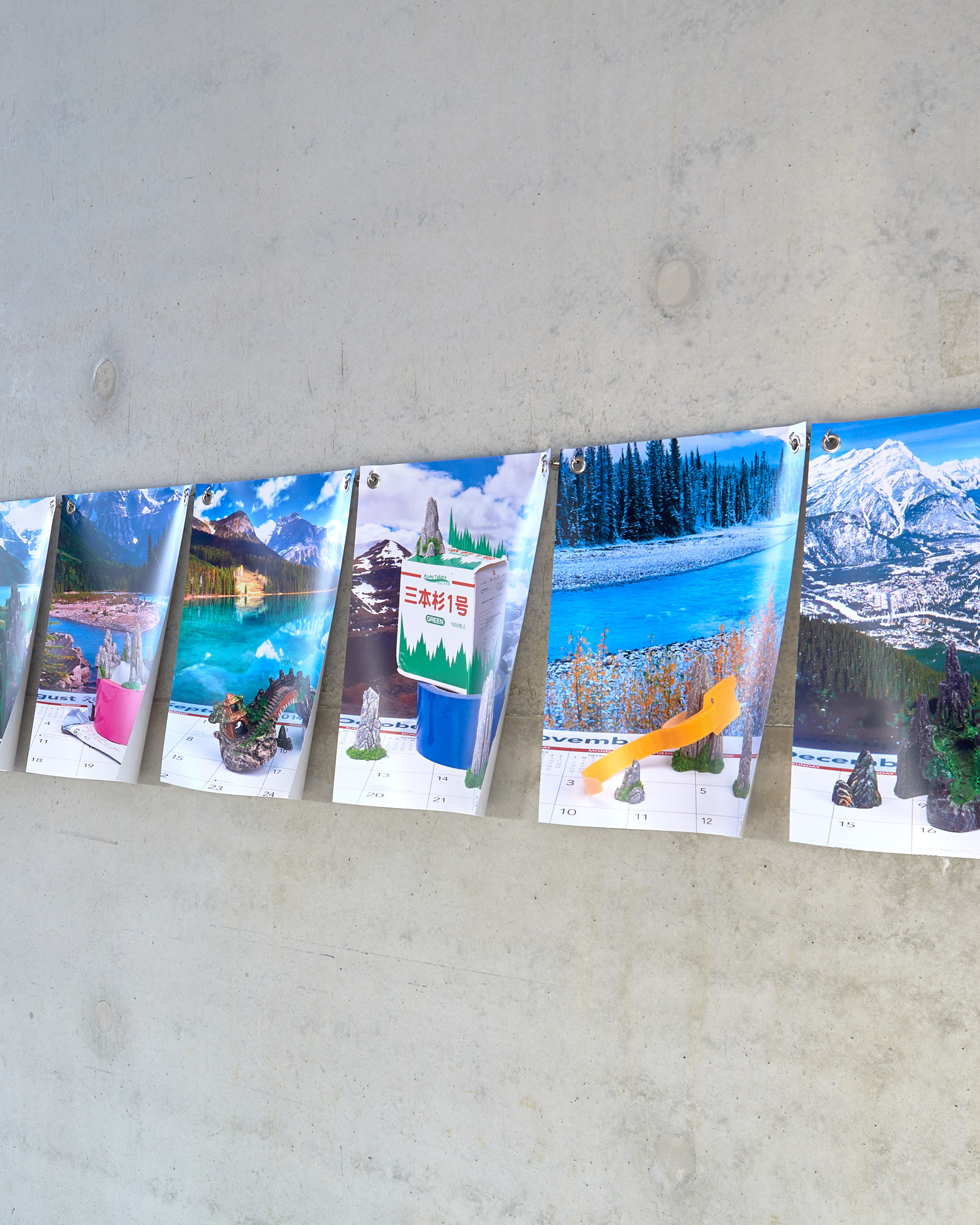
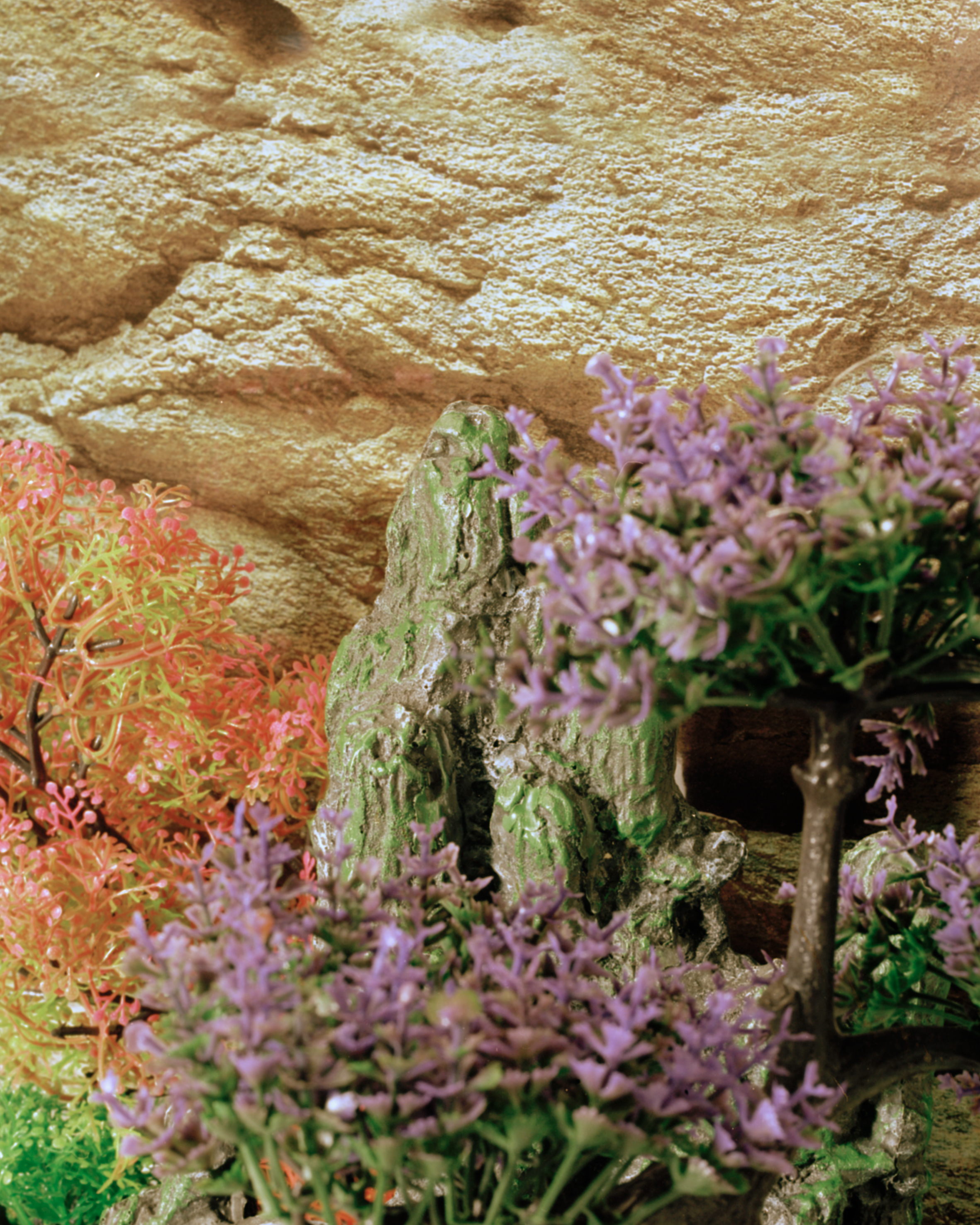
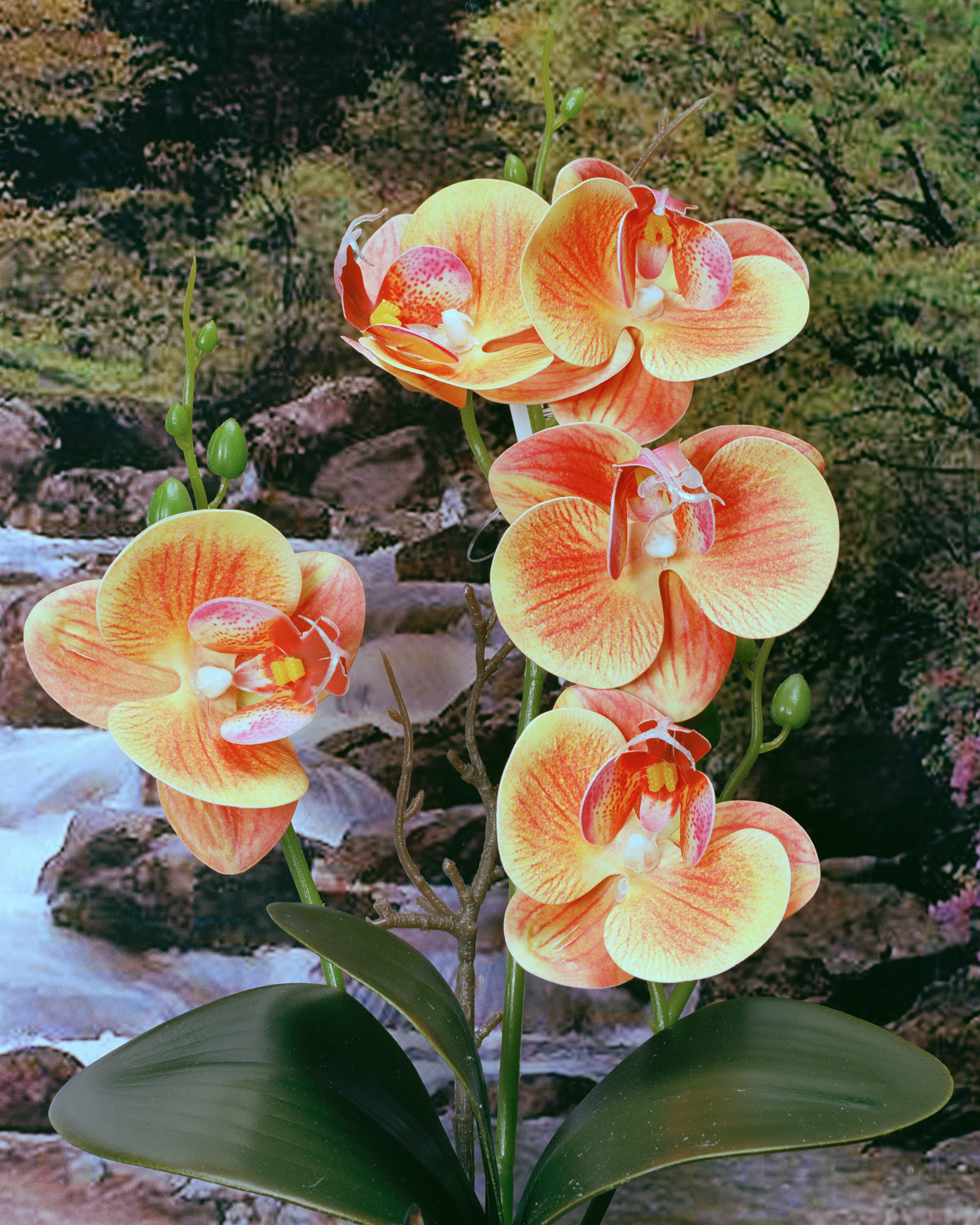
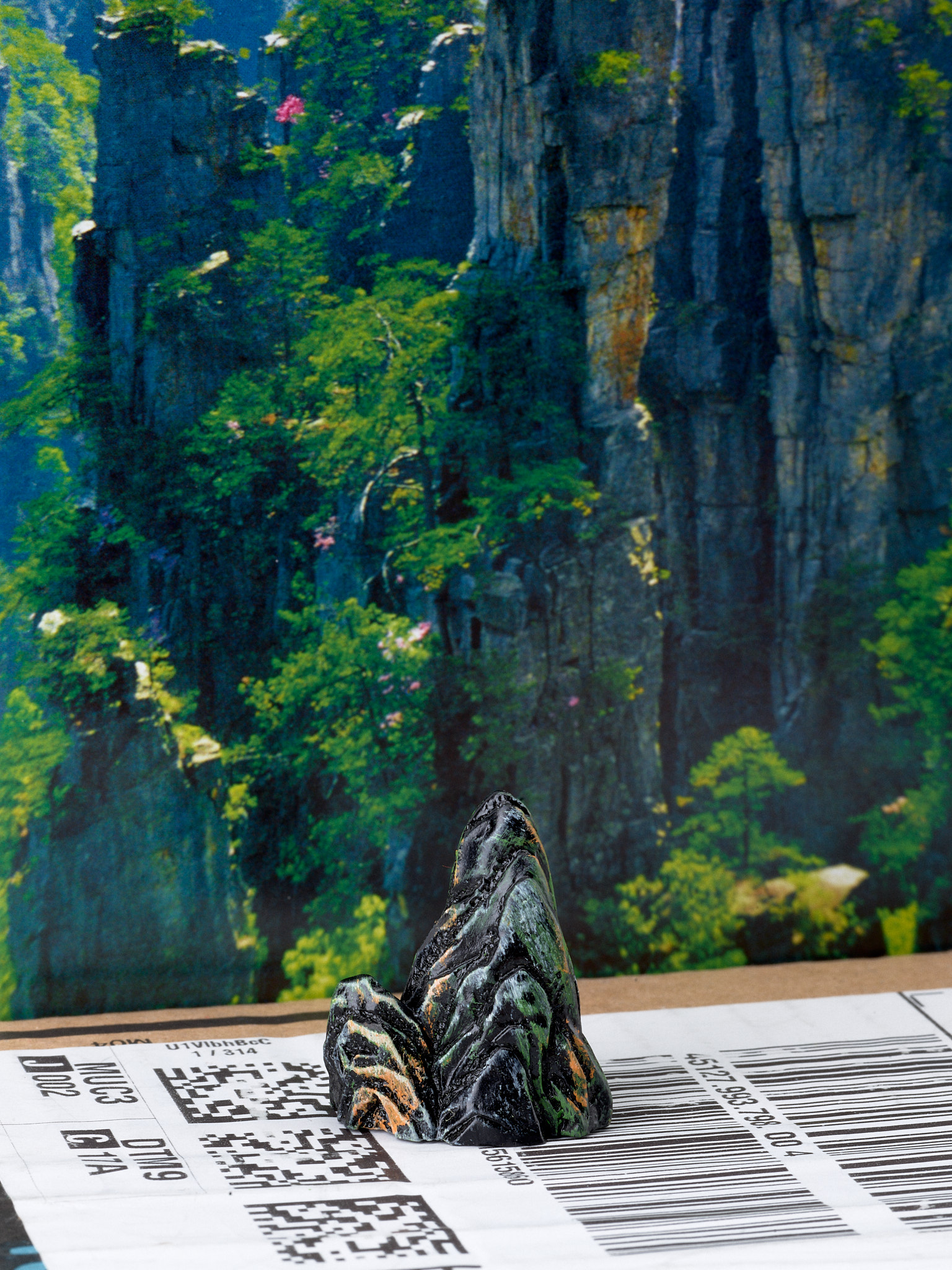
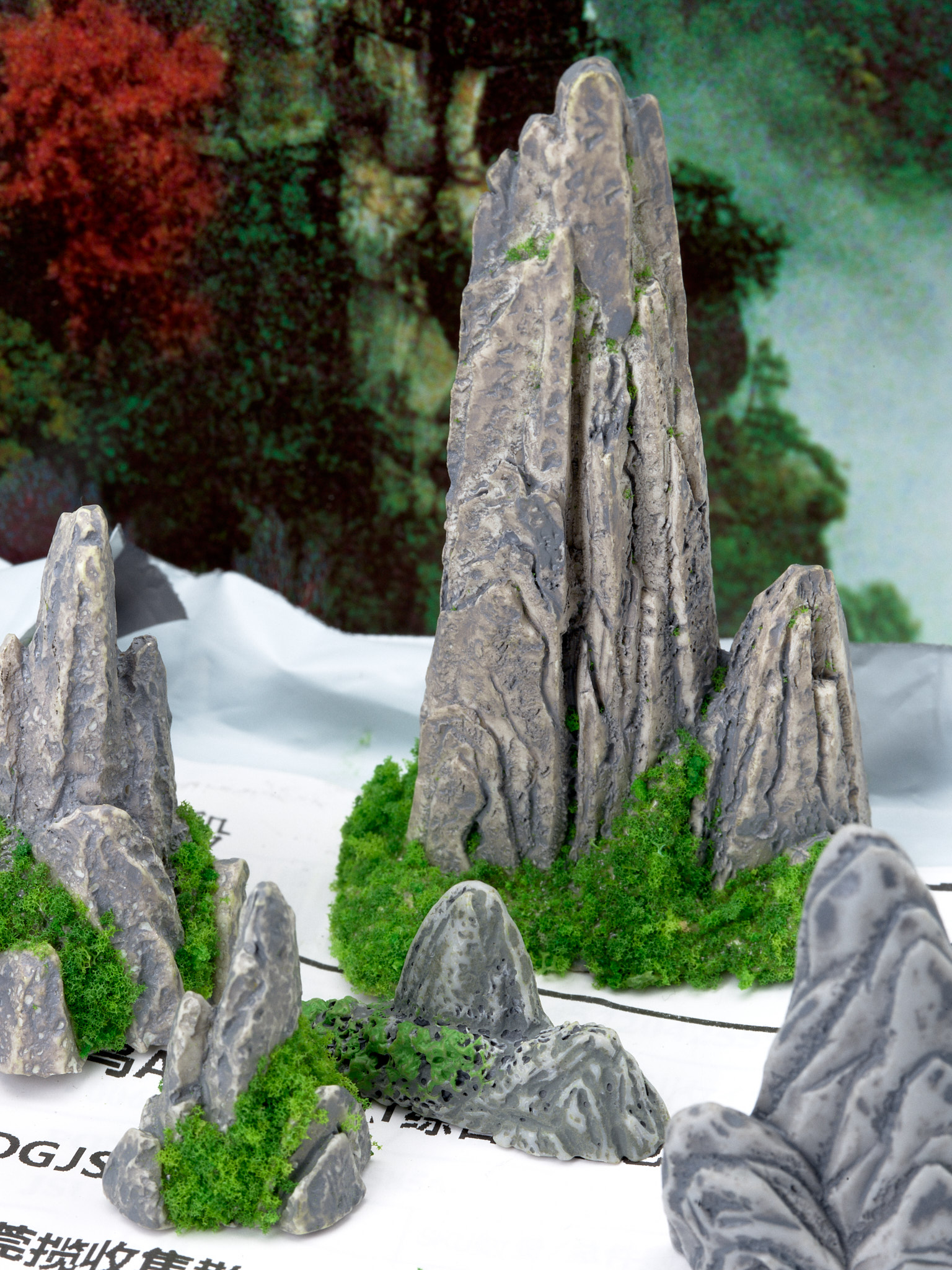
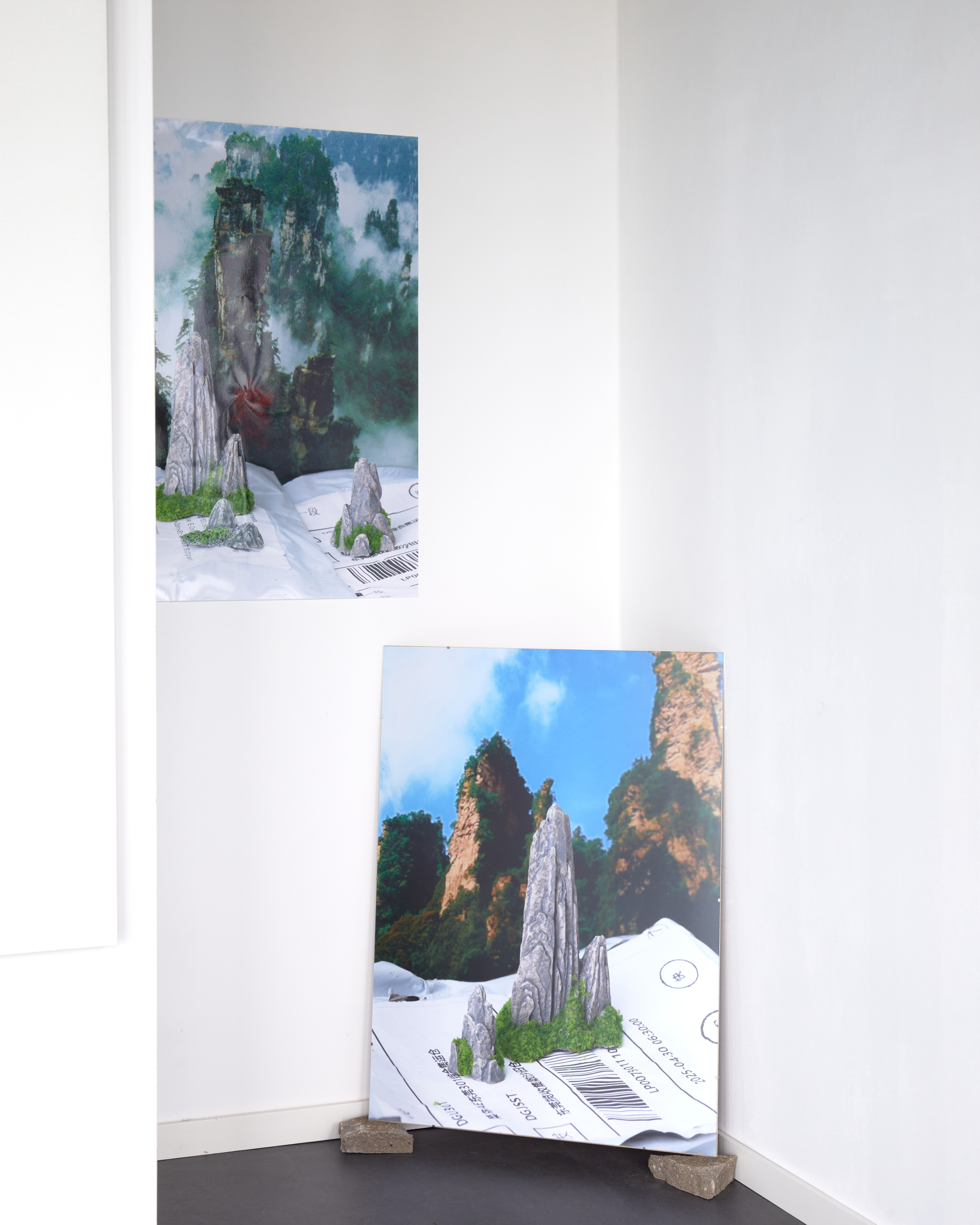
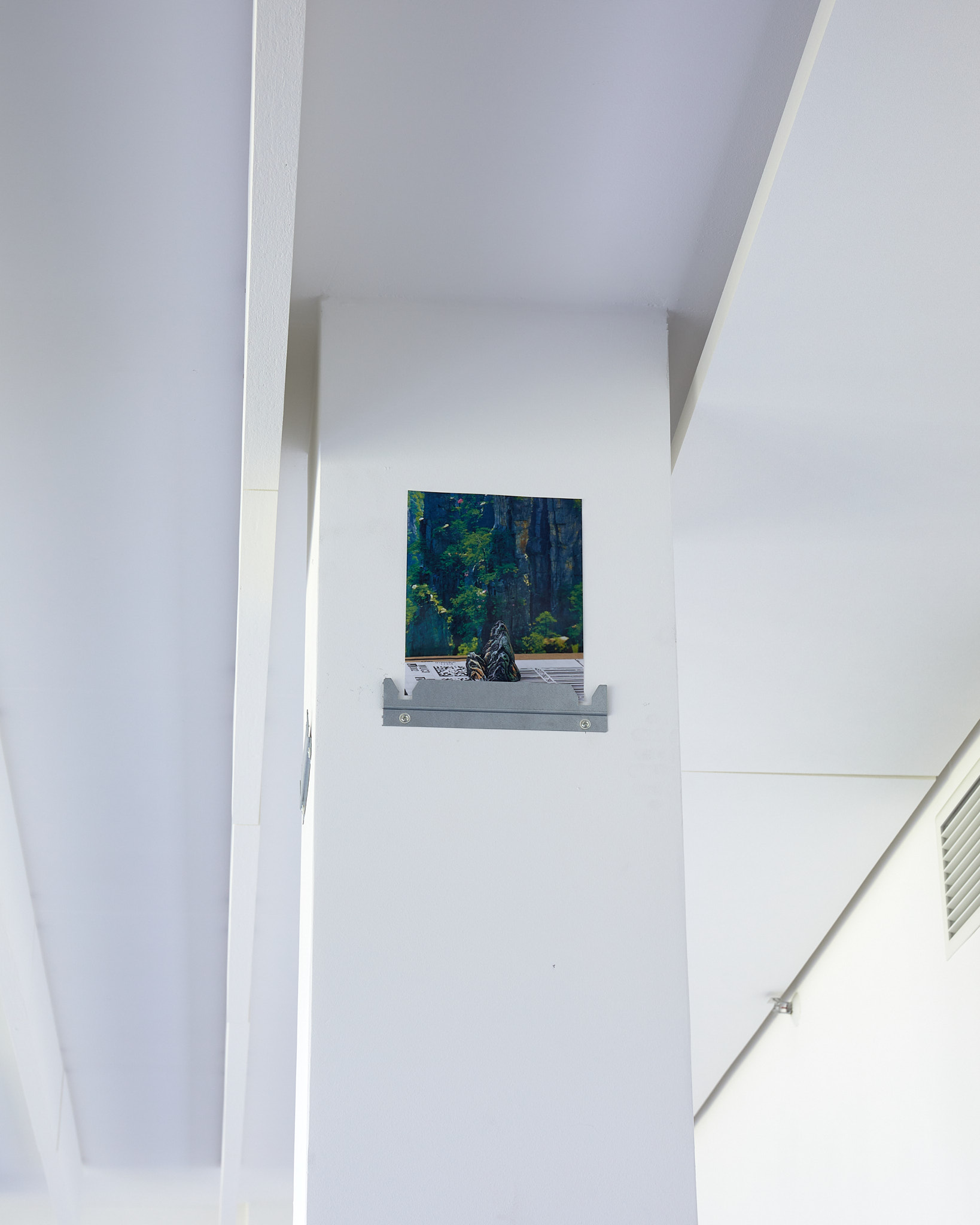
My photographic process arises from a physical interaction with the globally circulated objects that mediate my search for belonging. Rather than capturing traditional landscapes, I investigate the logistical layers of these mass-produced items, observing shipping labels, barcodes, and packaging as primary evidence of a fragmented reality. By intentionally revealing the seams of the folded paper, I expose these mass-produced landscapes as the epitome of the 'kitsch of nature'—a simulacrum completely severed from its source, where the traditional aura of the wilderness is stripped away. Through this, I ground the 'packaged sublime'—a grandeur manufactured by consumer aesthetics—within the palpable reality of globally distributed goods, revealing a world where the intimate desire for a "home" is simulated and circulated through idealized imagery.
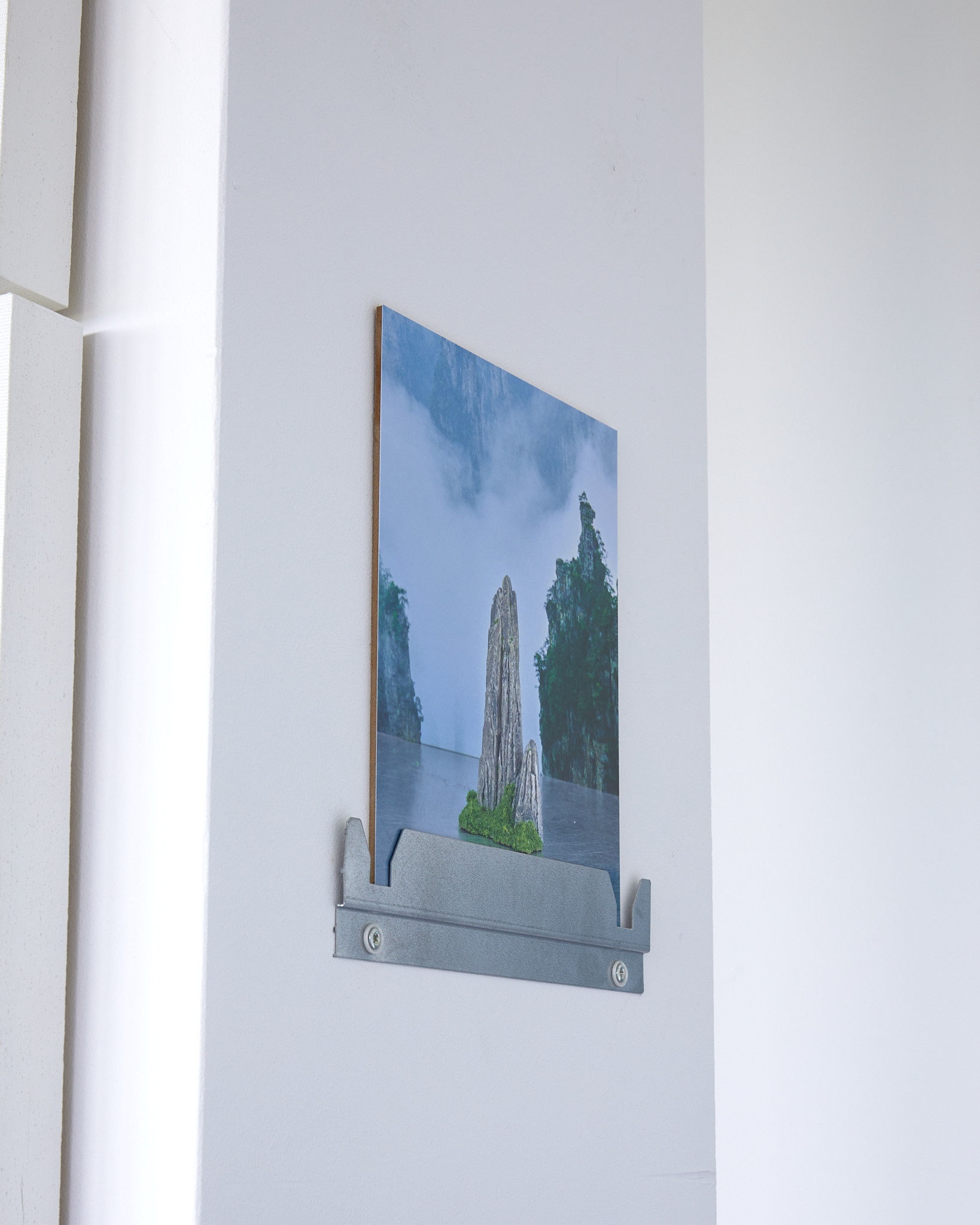
Ultimately, the work functions as a structural record that deconstructs the translation errors between personal recollection and standardized objects. These errors manifest in the visual discrepancy between my idealized memories of Korea and the plastic miniatures sourced from global e-commerce platforms. Arranging a mass-produced lighter or industrial packaging against a commercial backdrop—which depicts real but hyper-idealized locations—is a performative negotiation with a distant reality. In this final extraction, my yearning for an distant home is compressed into the flat, glossy surface of the photographic medium. By utilizing photography to flatten these idealized fragments, I visualize how memories of a lost space are stripped of their physical dimension, exposing the profound fragility of our "home" in the present moment.